
26. Components#
Chains, wire ropes, synthetic lines—each has trade-offs in terms of strength, flexibility, corrosion resistance, and cost. Connectors, such as shackles and fairleads, form the critical links (literally) between segments.
A mooring system consists of several key components:
Connection from floater to foundations (chains, wires, connectors)
Floaters and their attachments (fairleads, winches, etc.)
Connector systems (In-Line mooring tensioners, pull-in connectors)
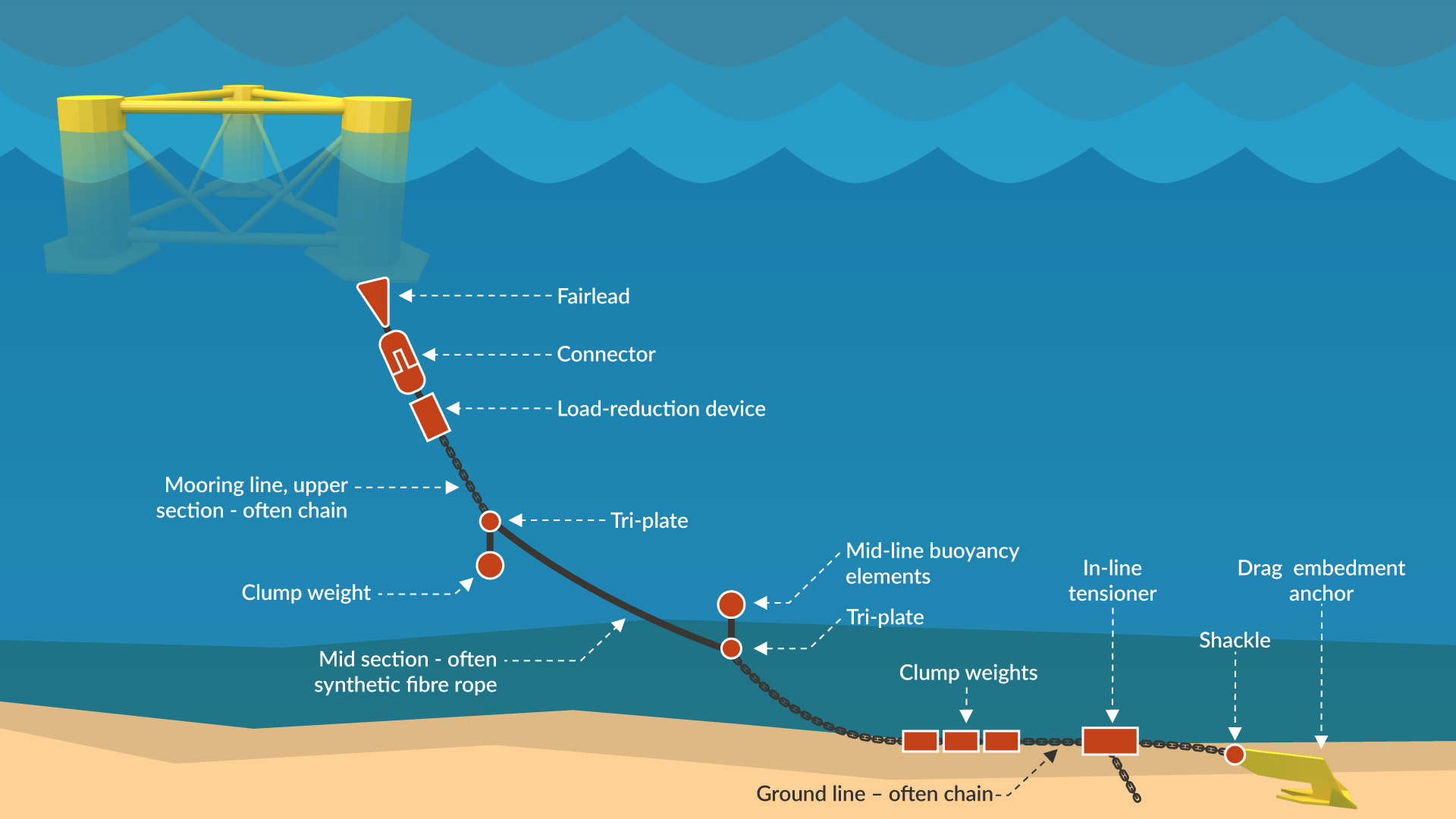
Fig. 26.1 Source: Guide to Floating Offshore Wind#
Generally the mooring line is divided into following segments:
The foundation. In the next session we will go into more detail to explain the options and here it will suffice to mention that it can consist of an embedment anchor, a suction or driven pile and/or a clump weight or gravity anchor. It is the fixed connection to the seabed.
The connection between the anchor and the floater can consist of a single type or multiple types of material. These can be; Chain. There are studlink or studless chains. The stud increases the weight of the chain which can be a benefit in a design and the chain is stronger. The stud also reduces deformations and twisting. In another way the lower weight of the studless chain can be a benefit. Chain for offshore application is produced in various grades from 3 to grade 5. The higher the grade the higher the strength and durability. Also the more difficult to fabricate and certify the fabrication process. Steel spiral strand wire rope. These wires consist of multiple layers of helically twisted steel wires. Through wire design of spooling of the strands a torque stable wire can be achieved. Sometimes coatings are also added to the wire. Synthetic wire rope. Synthetic wires of polyester, nylon or High Modulus Polyethylene (HMPE) are becoming more common and are especially interesting due to their lower costs versus steel wire rope. A part of this session will look a bit more in detail to these wires.
On the floater the mooring lines are connected to fairleads which direct the line (or chain) to a winch on deck. In the offshore this approach for permanent floaters has in some cases changed. In recent designs the lines are often connected directly to the floater hull. The function of the winches is to be able to tension the mooring lines during installation but also re-tension during the life of the platform.
In the case of the direct connection to the hull, other systems are required to connect and tension up during installation or during the floater life. Two systems in use for this option are: In-line mooring tensioner (ILMT), a system in the mooring line through which a part of the top chain can be pulled by an anchor handler to increase the tension in the mooring line. The ILMT has the possibility for re-tensioning at a later date. Pull-in connector (PIC), a type of connector which allows pulling through the top end of the mooring line to connect it to the Hull, which can be advantageous when the mooring line is pre-laid.
Intermediate connectors are an important part of the mooring line especially when it is composed of multiple segments. These intermediate connectors allow chains, steel wire and/or synthetic wire to be connected.